Biometric Mirror
Biometric Mirror
What if Artificial Intelligence gets it wrong?
Biometric Mirror questions the accuracy and assumptions of facial recognition algorithms. Enter a sci fi beauty salon and let an AI scan your biometric data and reveal a mathematically ‘perfect’ version of your own face. But whose version of perfection is it really?

Photo – Jesse Marlow


Photo – Jesse Marlow
Biometric Mirror is an immersive installation that blends the act of casually glancing at one's reflection with modern algorithmic perspectives on facial perfection. The artwork explores the accuracy and flaws of artificial intelligence and the 'uncanny valley' of algorithmic perfection and its potential black mirror outcomes.
Part of Science Gallery Melbourne’s PERFECTION exhibition program, this AI mirror analyses an individual’s character traits based solely on their face – to investigate the way that people respond to AI analysis. The mirror compares its onlooker to a database of faces that have been assessed on 14 characteristics, before issuing them a statement that summarises their ‘attractiveness’ and their emotional state. In theory, the algorithm is correct, but it’s likely the information isn’t – because how can it be if it’s based on subjective information? This intriguing collaboration is with scientists from the Research Centre for Social Natural User Interfaces, invented by Dr Niels Wouters.
“Creating platforms to discuss the cultural implications of emerging technologies, like artificial intelligence means that we can expose any assumptions in a public space."


As beauty brands continue to embed AI technology into their offering, real people are starting to value the advice of machine learning. But upon what ideals is our ‘beauty’ being judged?
DAZED BEAUTY THE ILLUSION OF PERFECTION: DISTURBING TRUTH ABOUT AI BEAUTY
Biometric Mirror is a moment to start thinking about transparency of algorithms, consenting and deconsenting, and the current trend of perceiving algorithms (and AI) as the holy grail that will ultimately improve society.


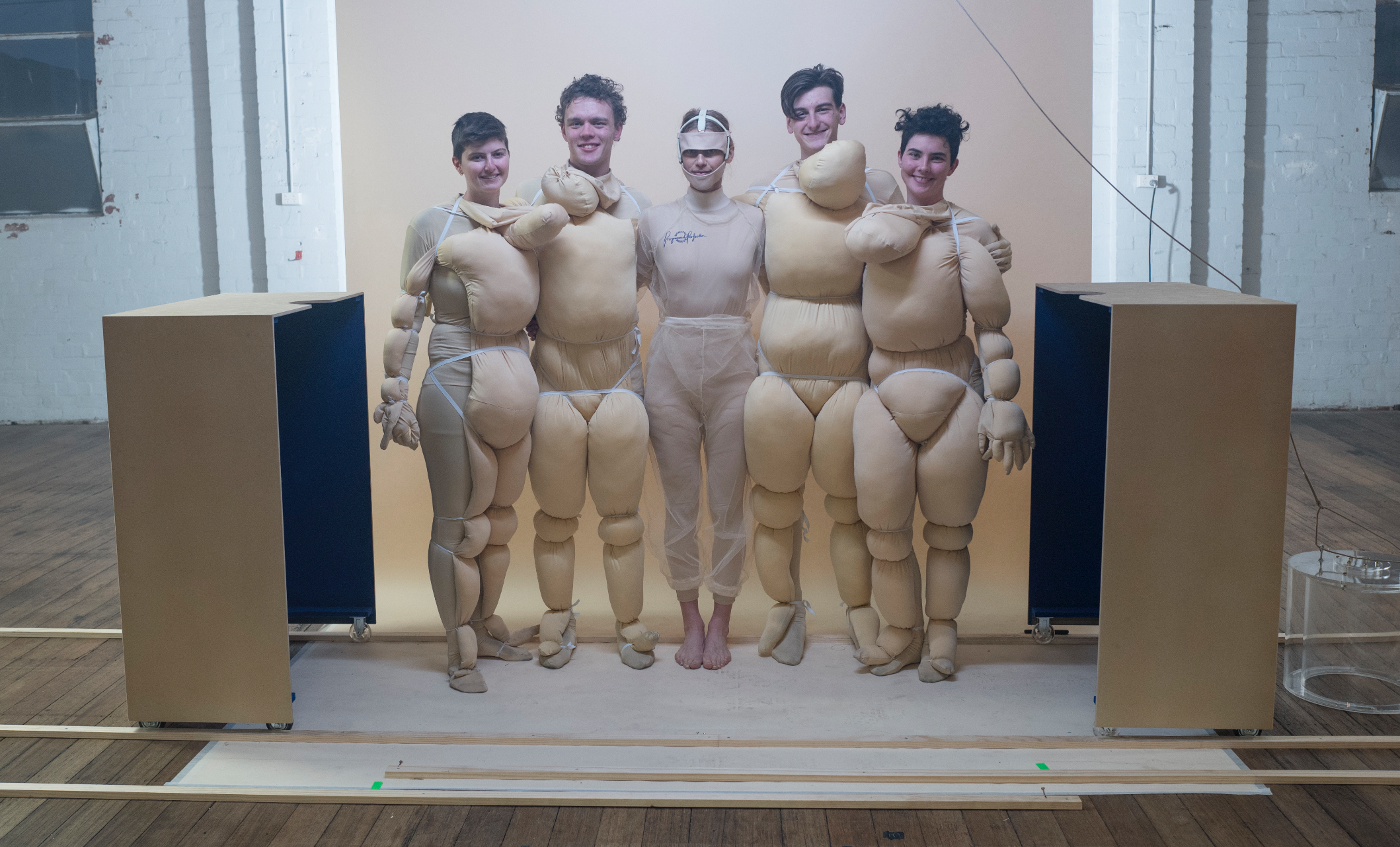
Science Gallery's PERFECTION trailer explores the ritualisation of artificial intelligence via a ceremony performed by digital shamans on a test subject. This experiment looks at the uncontrollable imperfections that occur when working with the human body in contrast with the controlled and programmable systems of artificial intelligence. How do we reassess and imagine new algorithmic paradigms that encompass imperfection, accident and messiness?